
Updated 17 September 2025 at 19:26 IST
Kissing Bug Disease Now an Endemic In The US: Origins, Symptoms, and Treatment
Chagas disease, transmitted by the kissing bug, is now endemic in the US. Know the signs, how the parasite spreads, and treatment to stay informed and safe.
- Health News
- 2 min read

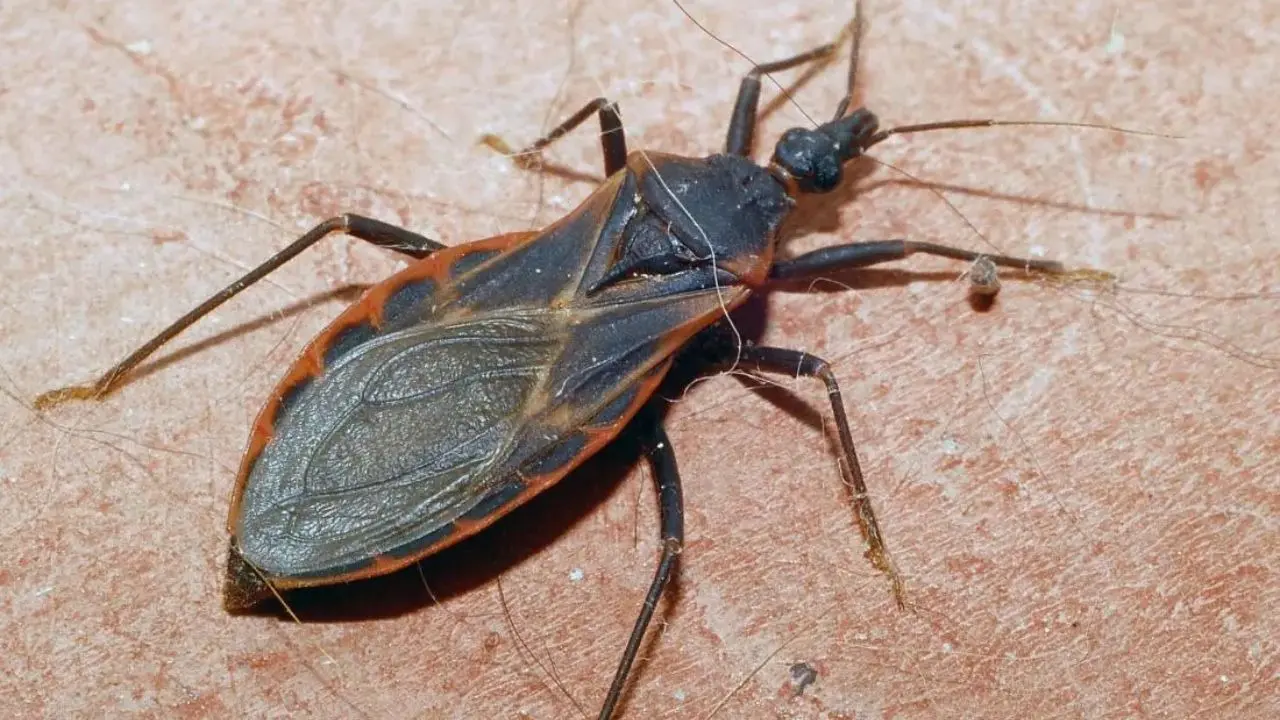
Not to be fooled by the cutesy name, the ‘kissing bug’ disease has now become endemic in the US, according to the U.S. Centers for Disease Control and Prevention, and it is a cause for concern.
What is the ‘kissing bug’ disease?
The disease, also known as ‘Chagas’, is caused by Trypanosoma cruzi, which is spread by the ‘kissing bugs’, named so for their propensity to bite near the mouth, especially when people are asleep at night.
Advertisement
Tropical in its origins, the disease is spreading rapidly in America, with about 32 states reporting cases of Chagas, making it endemic to the region. According to the CDC, there are about 8 million people in the world who have Chagas, with about 280,000 known cases in the US.

How does Chagas spread?
Advertisement
The parasite that causes Chagas disease lives in over 140 species of bloodsucking bugs, known as kissing bugs. These bugs live in the southern parts of the U.S., Central America, and South America. The parasite spreads when the bug bites and leaves infected feces near the wound, which can enter the body. This usually happens during the warmer months, from late spring into summer.
What are the symptoms of Chagas?
General symptoms of Chagas fever, swollen eyelids, swollen infection site, and loss of appetite. However, the most concerning thing about the infection is that sometimes it does not produce any external symptoms at all, but silently attacks the cardiomyocytes or muscle cells of the heart, causing serious and chronic heart issues and even fatal cardiac episodes.
As per an article on National Geographic, globally, over 10,000 people experience Chagas-induced cardiac failure that leads to fatal outcomes.
What is the treatment for Chagas?
Chagas is an extremely serious condition that requires prompt and intensive medical attention. If detected in the earlier stages, the treatment may include antiparasitic medications. However, in the advanced stages, surgery, anticoagulants, and antiarrhythmic medications may be required.
Published By : Avipsha Sengupta
Published On: 17 September 2025 at 19:26 IST