
Updated 8 November 2023 at 20:26 IST
What is mood disorder? Causes, symptoms and treatment
Significant emotional disturbances (severe lows, known as depression, or highs, known as hypomania or mania) are characteristics of mood disorders.
- Health News
- 2 min read

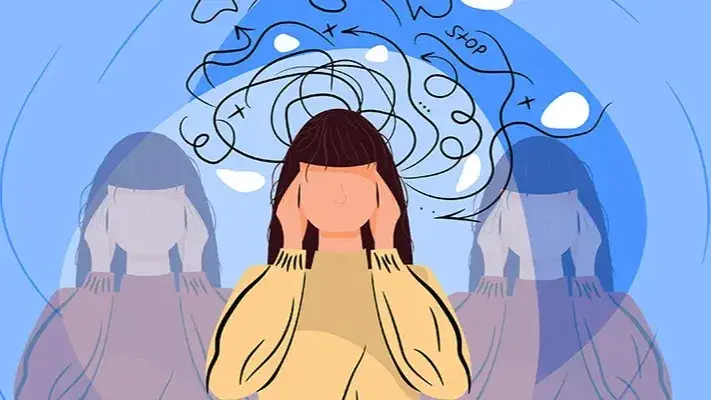
Mood is characterised as an internal, pervasive, and sustained feeling tone that affects almost every aspect of an individual's behavior in the outside world. Significant emotional disturbances (severe lows, known as depression, or highs, known as hypomania or mania) are characteristics of mood disorders.
These conditions include major depressive disorder, persistent depressive disorder, cyclothymia, hypomania, bipolar disorder, and premenstrual dysphoric disorder. These are prevalent mental illnesses that raise the risk of morbidity and death.
What is mood disorder?
According to Johns Hopkins Medicine, “A mood disorder is a mental health class that health professionals use to broadly describe all types of depression and bipolar disorders. Children, teens, and adults can have mood disorders. However, children and teens don’t always have the same symptoms as adults.”

What are the causes of mood disorders?
Various factors are thought to be involved in the emergence of mood disorders by researchers, such as:
Advertisement
Biological factors: The amygdala and orbitofrontal cortex are the brain regions in charge of regulating your emotions and sentiments. Brain imaging tests have demonstrated an enlarged amygdala in people with mood disorders.
Genetic factors: Mood disorders are more likely to develop in people with a strong family history of mood disorders, suggesting that mood disorders may be partially inherited or genetic.
Advertisement
Environmental factors: A person's lifetime risk of developing a mood disorder, particularly depression, includes stressful life events like the death of a loved one, chronic stress, traumatic events, and childhood abuse. Chronic conditions including diabetes, Parkinson's disease, and heart disease have also been connected to depression.
What are the symptoms of mood disorders?
A person's depressive symptoms can vary depending on their age and the type of mood disorder they are experiencing. The most typical signs of a mood disorder are as follows:
- Persistently depressed, nervous, or "empty"
- Being devoid of hope
- Being low on self-worth
- Feeling unworthy or insufficient
- Too much guilt
- Not interested in typical activities or things that one used to enjoy
- Problems in relationships
- Sleep issues or excessive sleep Sleeping patterns alterations in appetite or weight
- Reduction in energy
What is the treatment for mood disorders?
Millions of people suffer from mood disorders, which can be effectively treated to improve their quality of life. Psychotherapy, commonly referred to as talk therapy, and medications to help control chemical imbalances in the brain are two possible treatments for mood disorders. Often, the best course of action involves both medication and therapy.
Published By : Jyothi Jha
Published On: 8 November 2023 at 20:26 IST